Why the Slice Backhand Is One of the Most Important Shots in Tennis
Published on 2/4/2026
- Why One-Handed Players Develop Elite Slice Backhands
- The Slice Backhand Is About Contrast, Not Just Defense
- Elite Examples: Slice Backhands at the Highest Level
- The Banana Slice: A Modern Variation
- Why Two-Handed Players Must Train the Slice
- Disguise, Net Play, and Big-Point Pressure
- Key Technical Priorities (Without Overcomplicating It)
- How to Train It Properly
- Final Thought
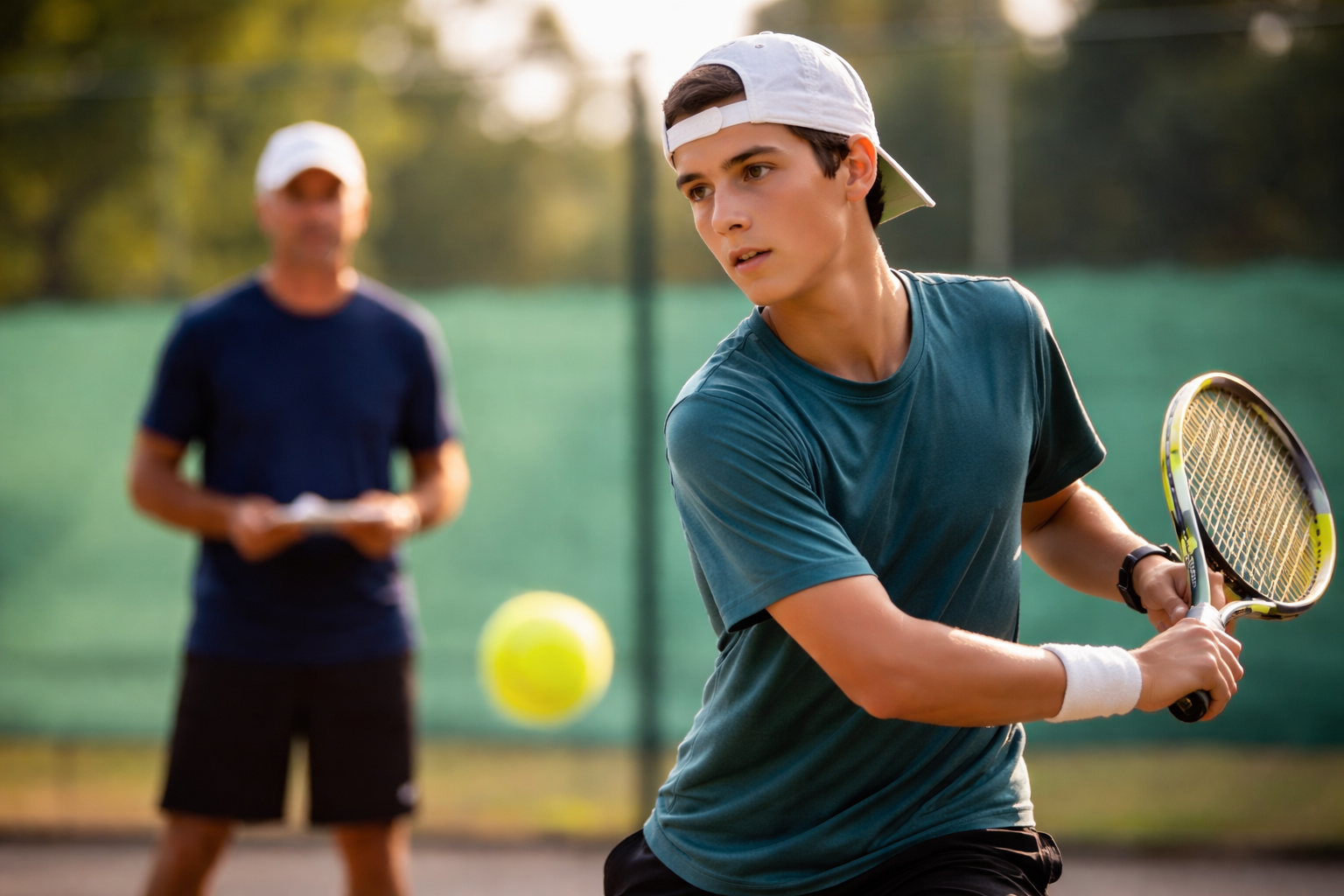
Growing up, I played with a one-handed backhand — and like many young one-handed players, I simply didn’t have the strength early on to hit a heavy, reliable topspin backhand.
So I had to develop a great slice backhand.
Not because it looked nice — but because I needed it to stay in points. My topspin backhand wasn’t strong enough yet, and the slice became my way to neutralise rallies, control errors, and compete.
That’s why you’ll notice a clear pattern at every level of the game:
players with one-handed backhands almost always develop exceptional slice backhands.
They’re forced to.
And that skill ends up becoming one of the biggest weapons in their game.
⸻
Why One-Handed Players Develop Elite Slice Backhands
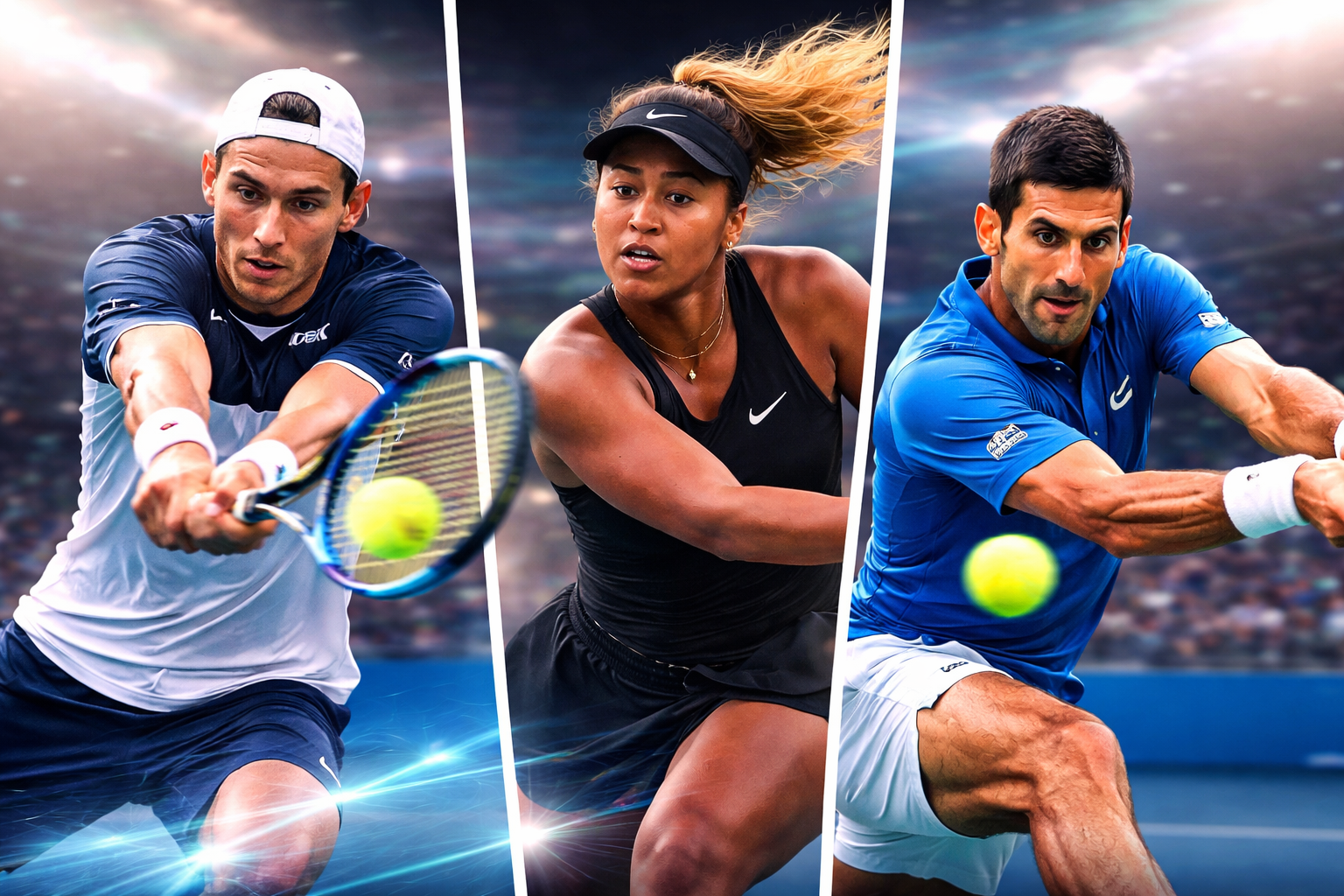
If you look at players like Lorenzo Musetti and Grigor Dimitrov, it’s rare to see a rally where they don’t use the slice backhand.
They use it:
• to change pace
• to disrupt rhythm
• to move opponents
• to reset rallies
• and to create attacking opportunities
That’s one of the reasons they’re so difficult to play against.
As juniors, one-handed players don’t have the physical strength yet — so they rely on the slice to survive rallies. Over time, that necessity turns into mastery.
It’s not an accident. It’s repetition.
⸻
The Slice Backhand Is About Contrast, Not Just Defense
One of the most overlooked aspects of the slice backhand is contrast.
Imagine playing someone who gives you:
• a heavy, high-spinning forehand
• followed by a flatter backhand
• followed by a low, skidding slice
That constant change in speed, spin, height, and bounce makes rhythm almost impossible.
The slice allows you to:
• redirect the ball easily
• change direction without over-hitting
• keep the ball low
• and force opponents to hit up
That’s why it’s such an effective neutralising and disrupting shot.
⸻
Elite Examples: Slice Backhands at the Highest Level
Roger Federer
Roger Federer used the slice backhand not just defensively, but tactically — to:
• neutralise pace
• draw opponents forward
• open the court
• and set up forehands
His slice wasn’t a fallback. It was a strategic choice.
Tatjana Maria
Tatjana Maria is 38 years old, and she famously won Queen’s Club using a predominantly sliced backhand on grass, beating far more powerful players.
That run showed just how effective a well-used slice can be — especially when it stays low and constantly forces opponents to generate their own pace.
Ashleigh Barty
Ashleigh Barty (now retired) used the slice backhand extensively — often as her primary backhand pattern. She had multiple variations, used it for disguise, and constantly disrupted her opponents’ timing.
Andy Murray
Andy Murray is another great example of how the slice can be used to change pace, defend intelligently, and reset rallies. It’s no coincidence that his slice was such a reliable tool under pressure — it’s almost certainly something he worked on extensively as a junior.
⸻
The Banana Slice: A Modern Variation
One slice variation that’s becoming more common is the banana slice — where the ball drops slightly lower and you cut the inside of the ball, sending it down the line and away from your opponent.
Frances Tiafoe uses this effectively, especially when stretched or looking to change direction without risk.
It’s a brilliant option when:
• the ball is lower
• you’re on the stretch
• or you want to redirect without flattening out
⸻
Why Two-Handed Players Must Train the Slice
Many two-handed players neglect the slice — and it shows.
But when two-handed players do commit to it, the results are obvious.
Frances Tiafoe’s junior coach, Misha Kuznetsov, who is on Coach Life, worked daily on:
• slice backhand touch
• backhand volley
• feel and control
You can see it clearly in Tiafoe’s game today:
• excellent touch
• a reliable slice
• strong backhand volleys
• confidence at net
That didn’t happen by accident — it was trained every day.
⸻
Disguise, Net Play, and Big-Point Pressure
The slice backhand is one of the best shots in tennis for disguise.
From the same preparation, you can:
• knife it low and approach the net
• fake the approach and stay back
• drop it short
• angle it wide
• or push it deep
You can also condition your opponent — approach a few times off the slice, then on a big point, take a couple of steps in and hold your ground, applying pressure without committing.
That uncertainty wins points.
⸻
Key Technical Priorities (Without Overcomplicating It)
More than anything, a great slice backhand relies on:
• early preparation
• excellent footwork (lots of small adjustment steps)
• good posture and balance
• moving through the shot
If your feet are right, your preparation is early, and you’re balanced, the slice becomes one of the lowest-error shots in tennis.
⸻
How to Train It Properly
Too many juniors have an “average” slice because they barely practice it.
If you want a great slice:
• train it daily
• train it with intent
• train it in different situations (defensive, approach, return, neutral)
👉 Check Coachlife slice backhand videos
I’m also shooting Coach Life content on the slice backhand next week, covering patterns, variations, and practical drills.
⸻
Final Thought
The players with the best slice backhands are:
• one-handed players who were forced to develop it early
• and players who put time into it daily
The slice backhand reduces errors, disrupts rhythm, creates opportunities, and gives you options when nothing else feels comfortable.
It’s not optional.
It’s one of the most important shots in tennis.
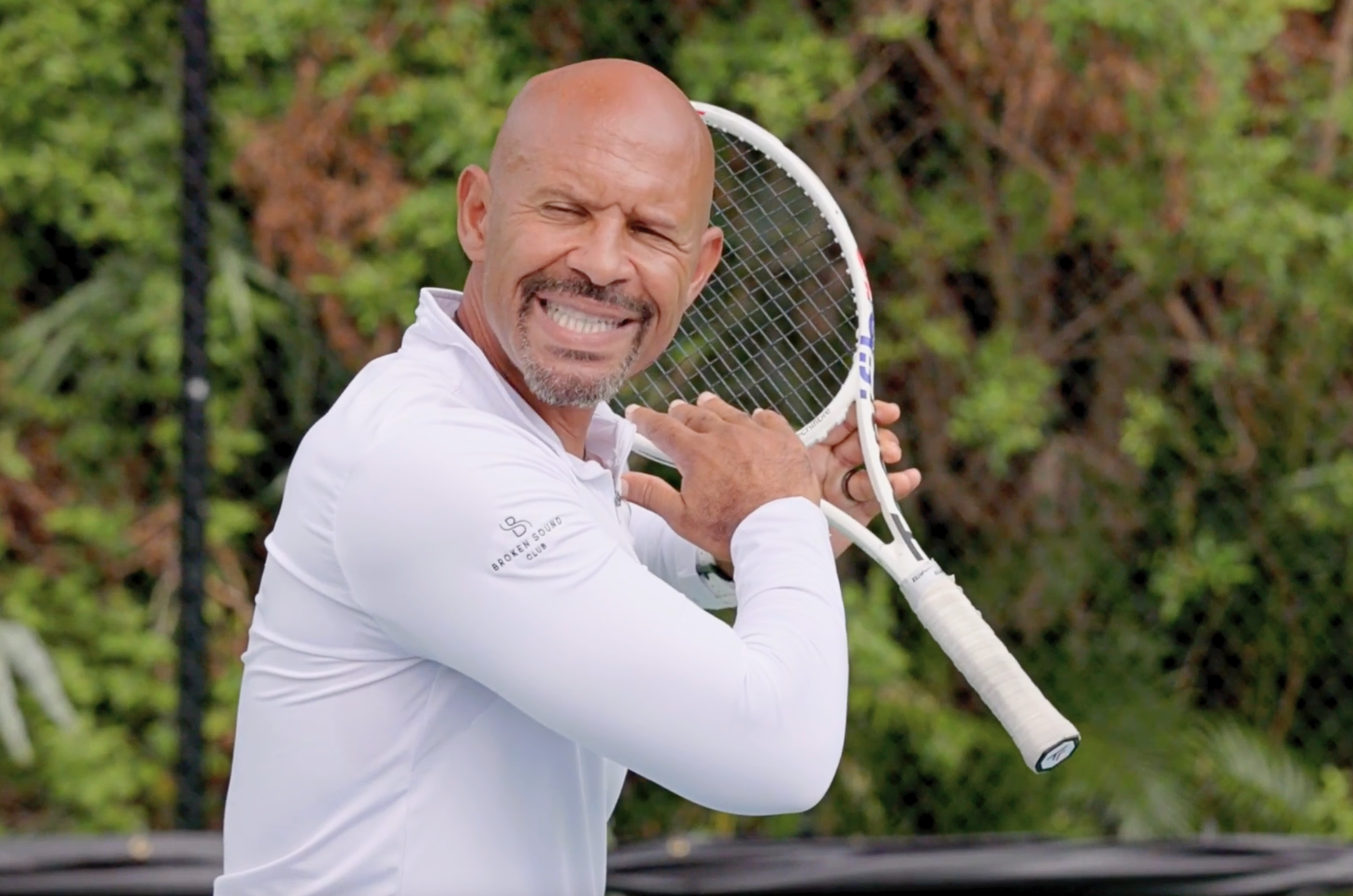
Peter Clarke
CoachLife Founder and Former Professional Player
Head Coach at the CoachLife Academy